Protecting Your Digital Life: Advanced Strategies
Recent data indicates that, data shows that cyber threats have increased by 30% in the past year, highlighting the urgent need for robust online security measures. As we navigate an increasingly digital world, understanding and implementing advanced security strategies is crucial to safeguarding our personal and professional information.
Quick Security Enhancements
Enhancing your online security doesn’t have to be overwhelming. By focusing on a few key areas, you can significantly reduce your vulnerability to cyber threats. Here are some actionable steps to fortify your digital defenses.
- Enable two-factor authentication (2FA) on all accounts. This adds an extra layer of security by requiring a second form of verification, making unauthorized access much more difficult.
- Regularly update your software and applications. Keeping your systems up-to-date ensures you have the latest security patches, protecting against known vulnerabilities.
- Use a password manager to create and store complex passwords. This reduces the risk of password reuse and makes it easier to maintain strong, unique credentials for each account.
- Be cautious with public Wi-Fi networks. Use a virtual private network (VPN) to encrypt your internet connection, preventing eavesdropping and data theft.
Understanding the Evolving Threat Landscape
As cybersecurity analysts, we observe that cybercriminals are constantly adapting their tactics to exploit new vulnerabilities. One of the most prevalent threats today is ransomware, which encrypts victims’ data and demands payment for its release. This type of attack can cripple businesses and individuals alike, leading to significant financial and reputational damage. To combat ransomware, it’s essential to implement regular data backups, use robust endpoint protection, and educate users on recognizing phishing attempts that often serve as the entry point for these attacks.
Another growing concern is the rise of sophisticated phishing schemes. These attacks have evolved beyond simple email scams to include targeted spear-phishing and business email compromise (BEC) tactics. Cybercriminals use social engineering to trick users into revealing sensitive information or transferring funds. We recommend deploying advanced email filtering solutions, conducting regular security awareness training, and implementing strict verification processes for financial transactions to mitigate these risks.
Comparing Defense Mechanisms: What Works Best?
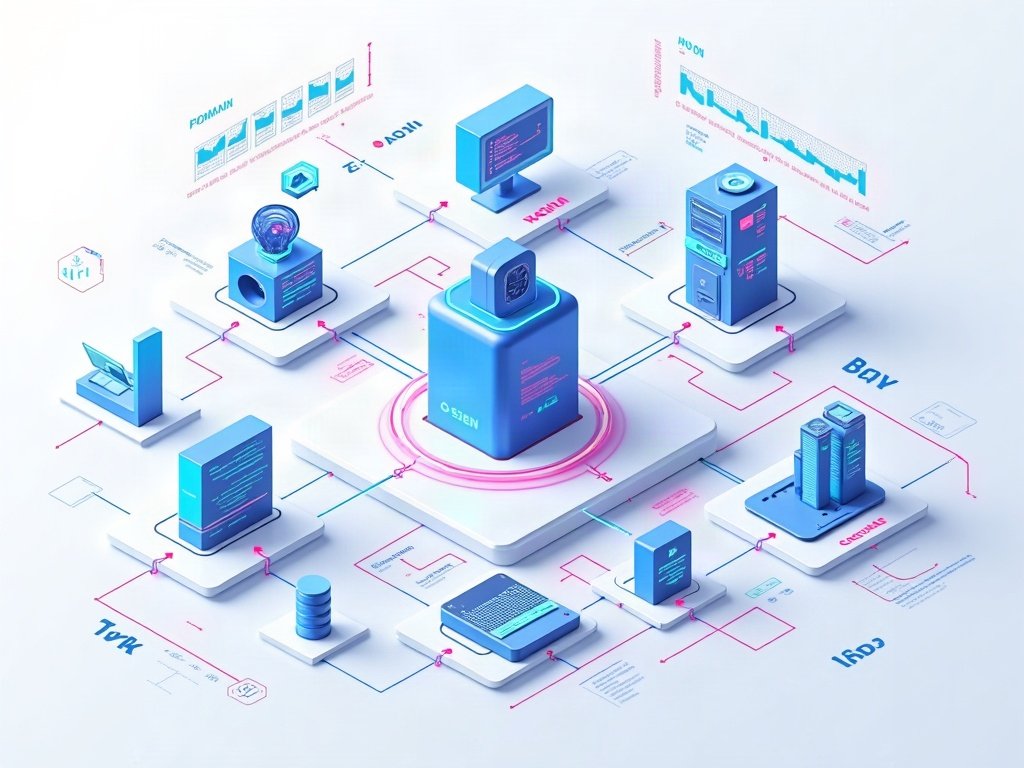
Choosing the right defense mechanisms involves balancing effectiveness, usability, and cost. While some tools offer comprehensive protection, they may also introduce complexity or performance issues. It’s crucial to evaluate each option based on your specific needs and threat profile.
| Security Tool / Protocol | Encryption Standard / Feature | Audit Status / Vulnerability | Primary Use Case |
|---|---|---|---|
| Firewall | Stateful Inspection | Requires regular updates | Network perimeter defense |
| Antivirus Software | Heuristic Analysis | Potential false positives | Malware detection and removal |
| VPN | 256-bit AES Encryption | May slow connection speed | Secure remote access |
💡 Security Expert Tip from Our Lab
Consider implementing a zero-trust architecture in your organization. Unlike traditional security models that rely on perimeter defenses, zero-trust assumes that threats can originate both inside and outside the network. This approach requires strict identity verification for every user and device attempting to access resources, regardless of their location. By segmenting your network and applying the principle of least privilege, you can minimize the potential impact of a breach. Additionally, continuous monitoring and analytics help detect anomalies and respond to threats in real-time, providing a proactive layer of defense.
Frequently Asked Questions
What is the most effective way to prevent phishing attacks?
To effectively prevent phishing attacks, it’s crucial to combine technical solutions with user education. Implementing advanced email filtering systems can help block suspicious messages before they reach users. Additionally, conducting regular security awareness training ensures that employees can recognize and report phishing attempts. Encourage a culture of skepticism, where users verify unexpected requests for sensitive information or financial transactions through alternative communication channels.
How can I secure my home network against cyber threats?
Securing your home network involves several key steps. Start by changing the default login credentials on your router to prevent unauthorized access. Enable WPA3 encryption for your Wi-Fi network to protect data in transit. Regularly update your router’s firmware to patch vulnerabilities. Consider segmenting your network by creating a separate guest network for visitors. Finally, disable remote management features unless absolutely necessary, and use a firewall to monitor and control incoming and outgoing traffic.
Why is multi-factor authentication important for online security?
Multi-factor authentication (MFA) is a critical component of online security because it adds an additional layer of protection beyond just a password. Even if a password is compromised, MFA requires a second form of verification, such as a code sent to a mobile device or a biometric scan, to access an account. This significantly reduces the risk of unauthorized access, as attackers would need to bypass multiple security barriers. Implementing MFA across all accounts, especially those containing sensitive information, is a highly effective way to enhance your security posture.

Cybersecurity researcher and information security analyst. I help individuals and organizations secure their digital assets, maintain robust privacy, and stay ahead of modern cyber threats through expert, unbiased insights.